Kyrex

Service · 06 of 08 — API & Integrations

Your tools don't talk.
Someone is filling the gap manually.

Every business accumulates tools. The gap between them is filled by a human copy-pasting, exporting, re-entering. Kyrex builds the connective layer — APIs, webhooks, retry logic, monitoring — so the gap closes for good.

Integration Hub
6 services connected
API
Layer

Stripe

Payments

HubSpot

CRM

WhatsApp

Messaging

Calendly

Scheduling

Mailchimp

Email

PostgreSQL

Database

Event StreamLIVE
200POST
/webhooks/stripe42ms
200GET
/api/crm/contacts18ms
200SEND
WhatsApp → retailer67ms
201POST
/api/orders56ms
503GET
/api/calendly/slots
200retry↑GET
/api/calendly/slots89ms
Uptime99.98%
Avg latency54ms
Errors0.02%

Connected reliably

Across active integrations · 2026

0+
Production integrations
Live across client systems
0
Disciplines wired
From REST APIs to data pipelines
0
Silent failures
Monitoring + alerting on every job
0.00%
Webhook delivery
Retry logic on every event

What we build · 7 layers

Seven layers.
One connective tissue.

Integration engineering across the whole stack — REST APIs, webhooks, payments, CRMs, schedulers, third-party APIs, sync pipelines. Each built with retry logic and monitoring from day one.

L01

REST API design and build

Clean, documented APIs — either connecting your systems internally or exposing data to external services securely.

L02

Webhook systems

Event-driven integrations — your systems react to what happens in real time, not on a polling schedule.

L03

Payment gateway integration

Stripe, Razorpay, and others — payment flows connected to your operational logic, not just dropped on a page.

L04

CRM and email platform connections

Leads, contacts, and interactions synced automatically — no manual import/export cycles.

L05

Booking and scheduling connections

Calendly, booking systems, and availability tools connected to your workflow and confirmation logic.

L06

Third-party API consumption

Any external API — maps, logistics, data providers — consumed cleanly with error handling and fallback logic.

L07

Data sync pipelines

Structured data moving between systems on schedule or on trigger — with validation, logging, and alerting.

Bridge → Engagement

Connect them properly.

All 7 layers — same retry-logic + monitoring discipline running across every Kyrex integration today.

In production · 5 integrations live

Five integrations.
Five connective problems solved.

Logistics, live pricing, multi-CRM, scheduling, WhatsApp Business. Each integration solved a specific gap a human was filling by hand.

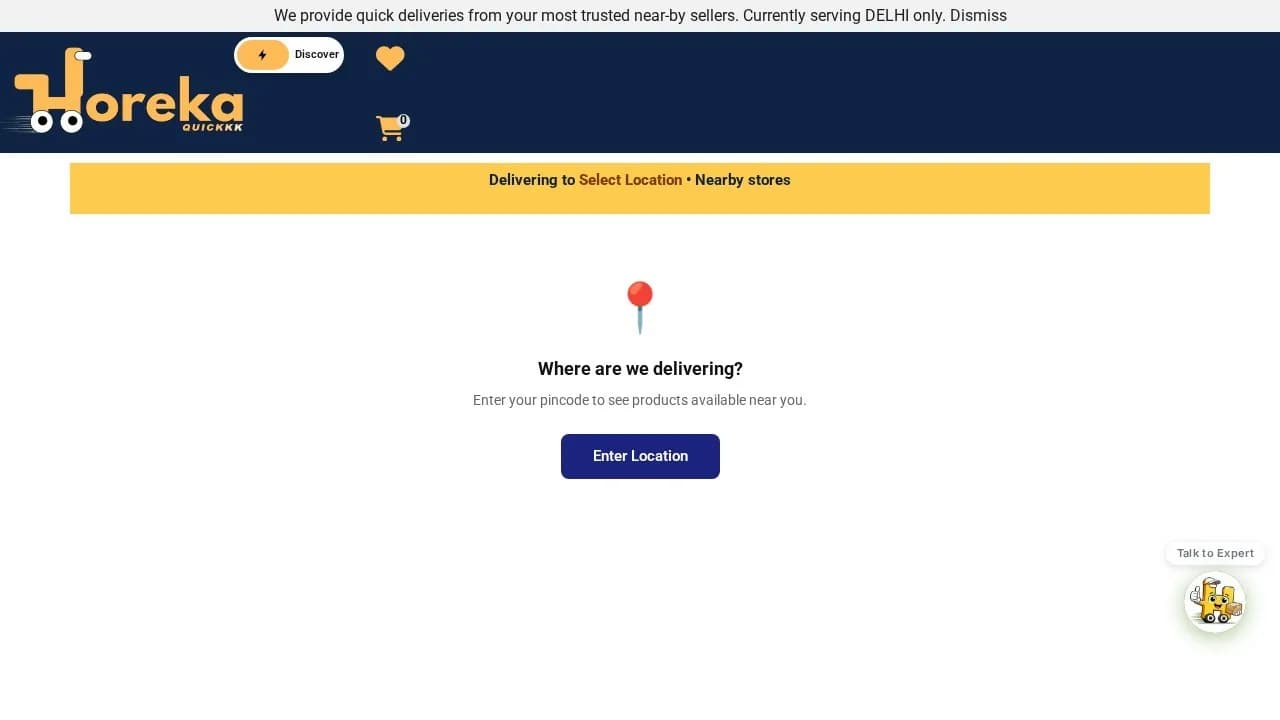
Horeka
CASE 01Production
Live

Logistics + Mapping

Horeka

Porter API + mapping service for real-time delivery quotations and order dispatch. WhatsApp Business API for retailer notifications. All three systems connected into a single order allocation engine.

  • Porter API + mapping for real-time delivery quotation
  • WhatsApp Business for retailer notifications
  • Three external systems wired into one allocation engine

View case study
Caratly
CASE 02Production
Live

Live pricing API

Caratly

Live metal price API integrated into the pricing engine — gold prices sync automatically, product prices update in real time without manual entry.

  • Live metal price API integrated to the pricing engine
  • Auto product-price updates on every sync
  • Zero manual price entry across the catalog
View case study
AskKubeir
CASE 03Production
Live

Multi-CRM

AskKubeir

Mailchimp and ActiveCampaign connected to contact forms — lead capture triggers CRM sequences automatically across two CRMs.

  • Mailchimp + ActiveCampaign connected in parallel
  • Form submission triggers CRM sequences automatically
  • Lead routing logic across two CRMs
View case study
MI-Way Immigration
CASE 04Production
Live

Calendly + Booking

MI-Way Immigration

Calendly integrated into the consultation booking flow — scheduling connected to the site without a third-party widget dependency.

  • Native Calendly API integration — no widget dependency
  • Scheduling wired into the site's booking flow
  • Confirmation logic owned by the site, not the third-party
View case study
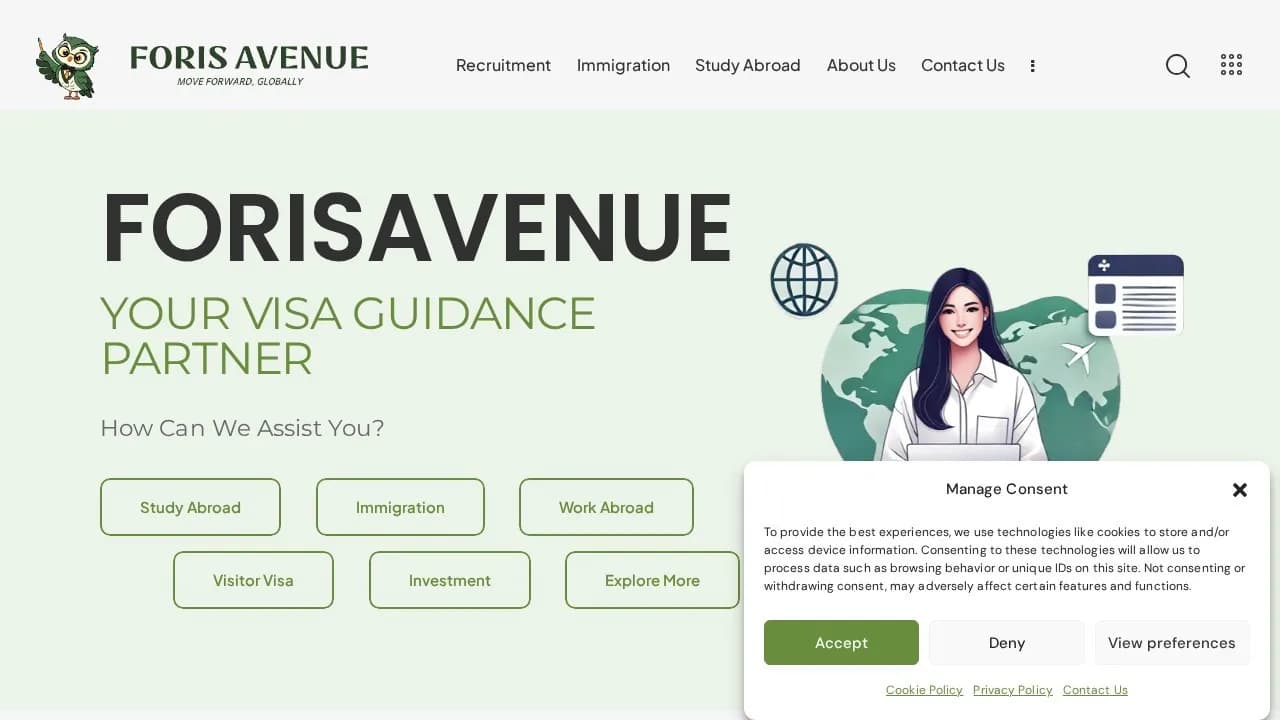
Foris Avenue
CASE 05Production
Live

WhatsApp Business

Foris Avenue

WhatsApp Business API — visitors initiate conversations directly from the site with pre-populated context, no app switch.

  • WhatsApp Business API integrated at the page level
  • Pre-populated context per CTA / per page
  • Direct conversation initiation — zero app switching
View case study

How we approach this

Silent failures
are worse than no integration.

Most integration work is bolted together under time pressure. The result is brittle — it works until one API changes a field name, one webhook stops firing, or one service has a brief outage.

Kyrex builds integrations with error handling, retry logic, and monitoring from the start. An integration that fails silently is worse than no integration at all.

What 'integrated properly' means

  • Error handling + retry logic — built in from the start, not added after the first outage.
  • Monitoring + alerting — silent failures caught before users notice the data is wrong.
  • Event-driven where possible — real-time webhooks over polling whenever the API supports it.
  • Documented — every endpoint, every webhook, every retry policy written down.

Fit check

Honest about who
this is for.

Right fit · 6

  • Your team is manually copying data between systems that should talk to each other automatically
  • A customer action in one platform requires a human to trigger something in another — every time
  • Your current 'integration' is a weekly CSV export that someone processes by hand
  • You've tried no-code tools like Zapier but hit their limits on volume, logic complexity, or reliability
  • You need event-driven real-time connections, not polling or scheduled syncs
  • You've had a silent integration failure that caused a data mismatch nobody caught for weeks

Wrong fit · 5

  • Your tools don't have APIs — if the software doesn't expose endpoints, there's nothing to integrate at the code level
  • You don't have access to both sides of the integration — we can't connect two systems if one side won't grant developer credentials
  • A no-code tool like Zapier or Make already solves it — if the connection is simple and low-volume, use the cheaper tool
  • You need a one-time data migration rather than an ongoing sync — that's a different scope and a different project
  • You want a quick patch, not a proper integration — silent failures and missing error handling are worse than no integration at all

API & Integrations · Engagement options

Tools that should talk?
Map the gap first.

Most clients arrive thinking they need an integration. Some actually need a workflow change first — or a no-code tool that's good enough. The Blueprint tells you which — independent research, ₹15k credited if you proceed.

Path 01 · Start a project

If you have the source + target system + auth credentials lined up.

Start a project.

Brief us on what needs to connect. We come back within one business day with scope, timeline, and cost.

Path 02 · The BlueprintRecommended

If you're not sure whether to build, buy a connector, or change the workflow.

Get the Blueprint.

A fixed-fee engagement. We map your tools, evaluate build vs no-code vs workflow change, and hand you a written report covering every realistic path — yours to keep, with us or without.

₹15,000· credited if you proceed
[email protected]Reply within 1 business day